About TRAIL 100

India ranks #1 in fatalities due to Road Accidents. Project iRASTE has identified that due to the nature of the traffic on Indian roads and poor infrastructure like signages, signboards, lane markings, wrong side driving etc., Road Infrastructure is one of the key contributing factors for the occurrence of road accidents. In addition, to accommodate the aspirations of the future generation in terms of building sustainable cities, there is an urgent need to map the existing topography and landscape to meet the goals of environmentally friendly, affordable, and smart cities.

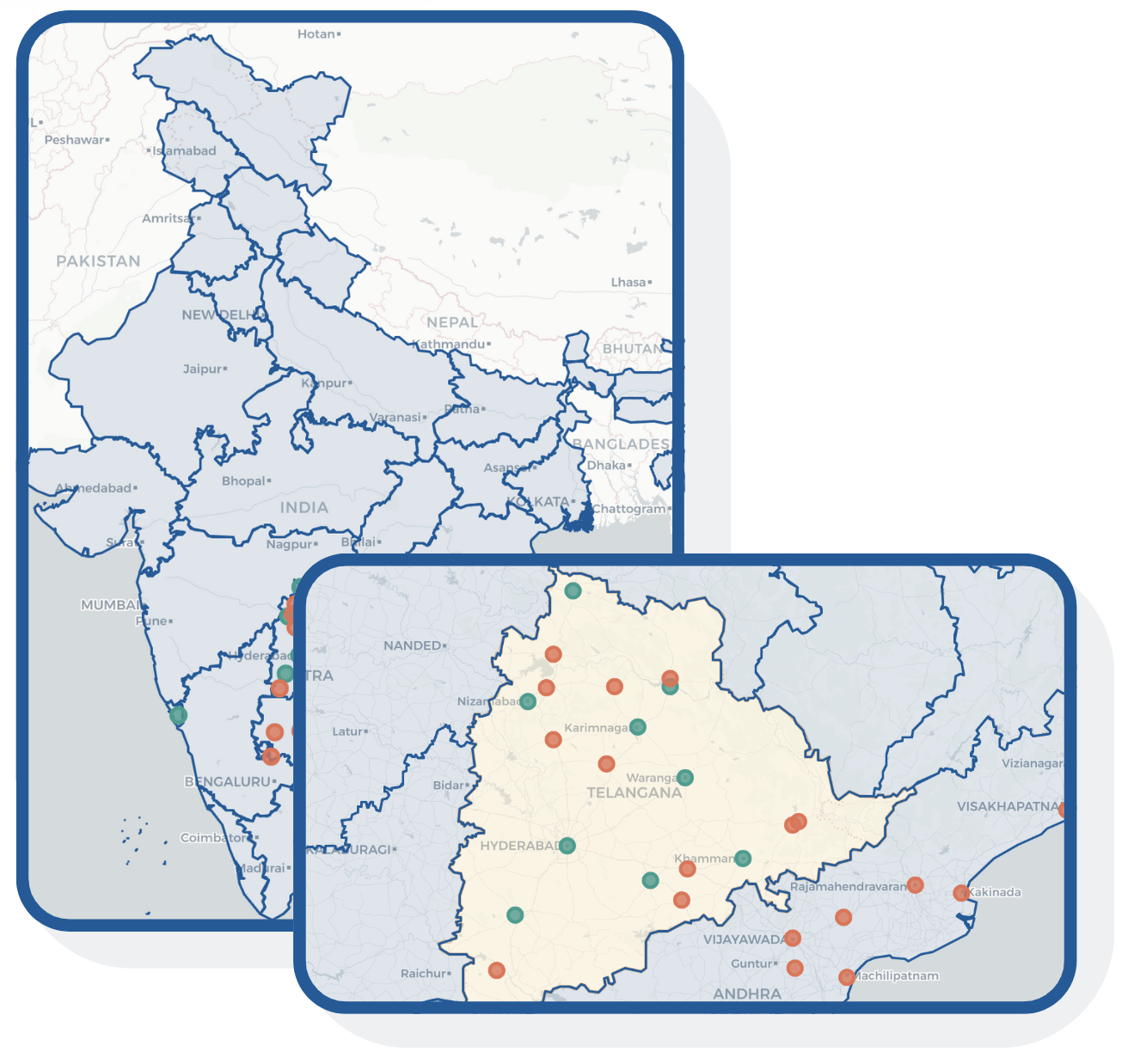
The objective of Project TRAIL is to gather Road Infrastructure data across 100 Tier 2 and Tier 3 cities in India (both rural and urban), use AI-based Modeling Techniques to detect Road Assets and map the results onto a Web-based dashboard with GPS location markings.

Map Preview


TRAIL 100 Map

Section 1 Image

Data Capture:

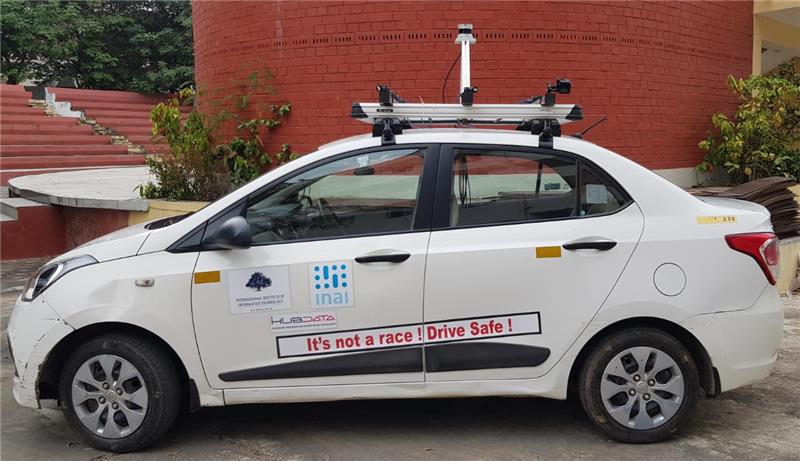
One of the key capture resources is IIITH’s own Bodhyaan platform. This vehicle has been widely used video capture for multiple projects and is used for Project TRAIL. In addition, we are also developing a Mobile phone-based App as a low-cost option for capturing data and uploading it to our cloud.

Explore Bodhyaan >

Section 2 Image

AI Modelling:

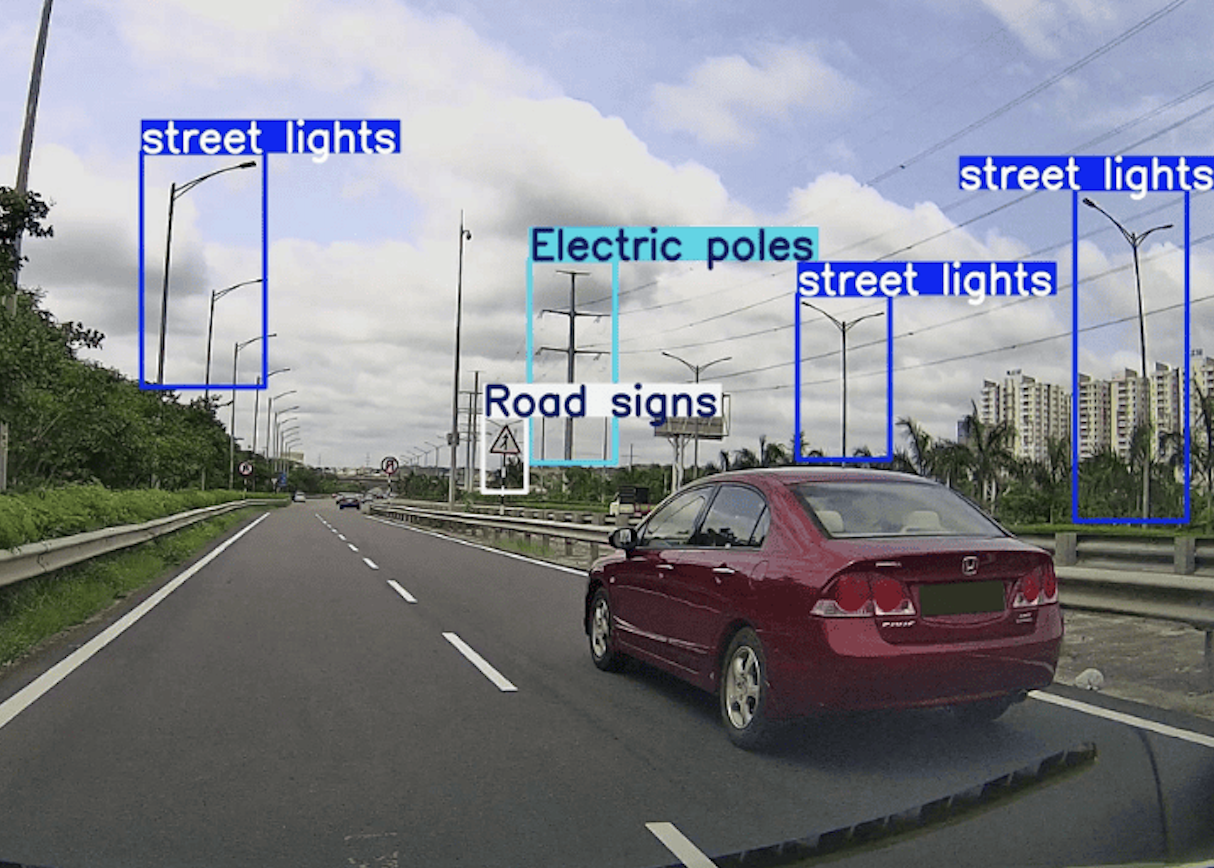
IIITH CVIT, in collaboration with INAI/iHub, develops AI-driven perception models for mobility infrastructure analysis. Our deep learning pipeline processes road footage to detect and classify assets like street lights, poles, signages, and variable signboards. The demo presents side-by-side videos—one with raw input footage and another with AI-annotated detections, showcasing real-time inference capabilities.

Explore INAI > Explore iHub >

Section 1 Image

Data Visualisation and Dashboard:

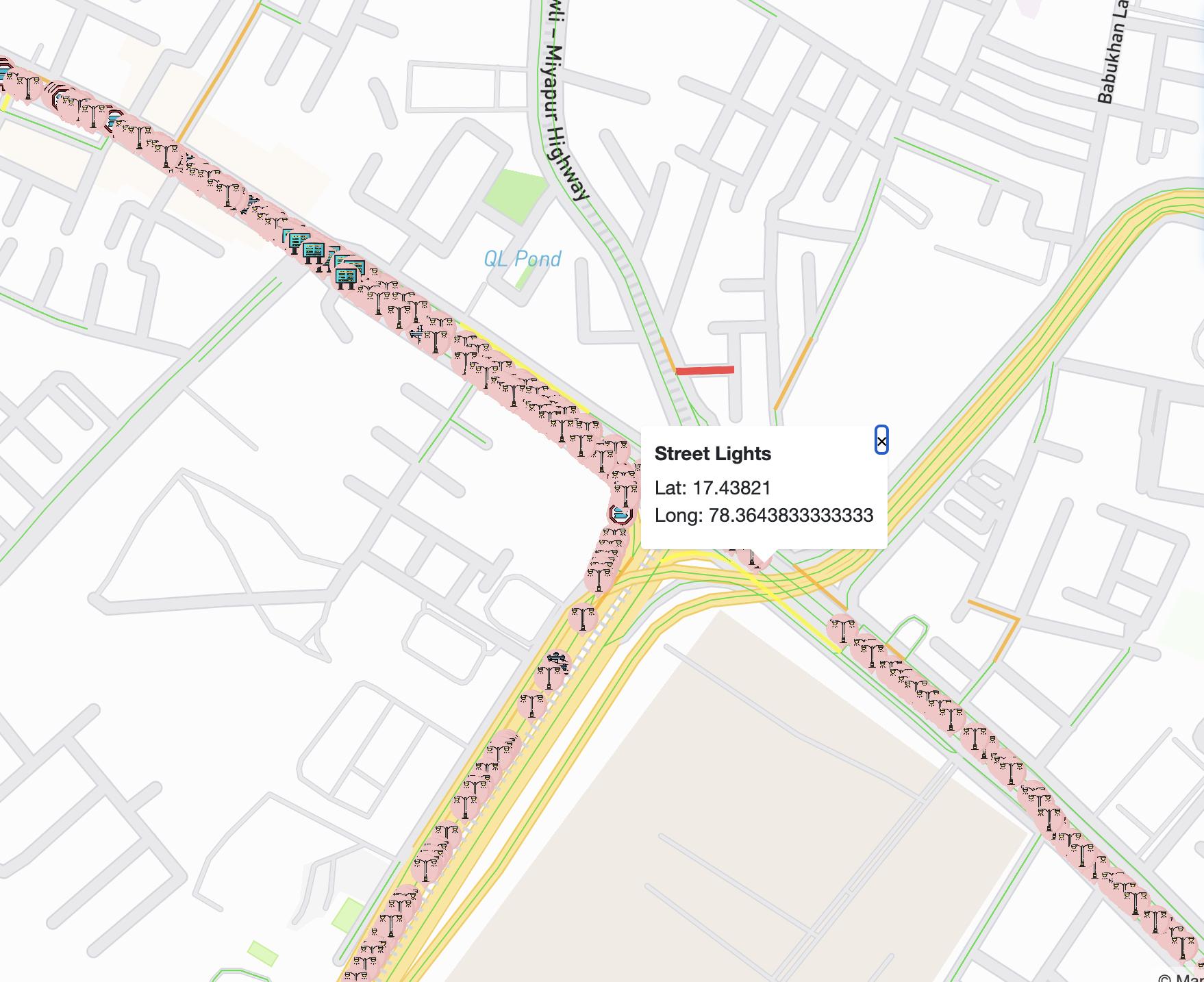
As the output of AI Modelling, a visual dashboard has been created to map and track all Road Assets for each city. This information will be very useful for Infrastructure Agencies to understand, monitor and take remedial actions to improve Road Infrastructure.