Objective of VIOLA

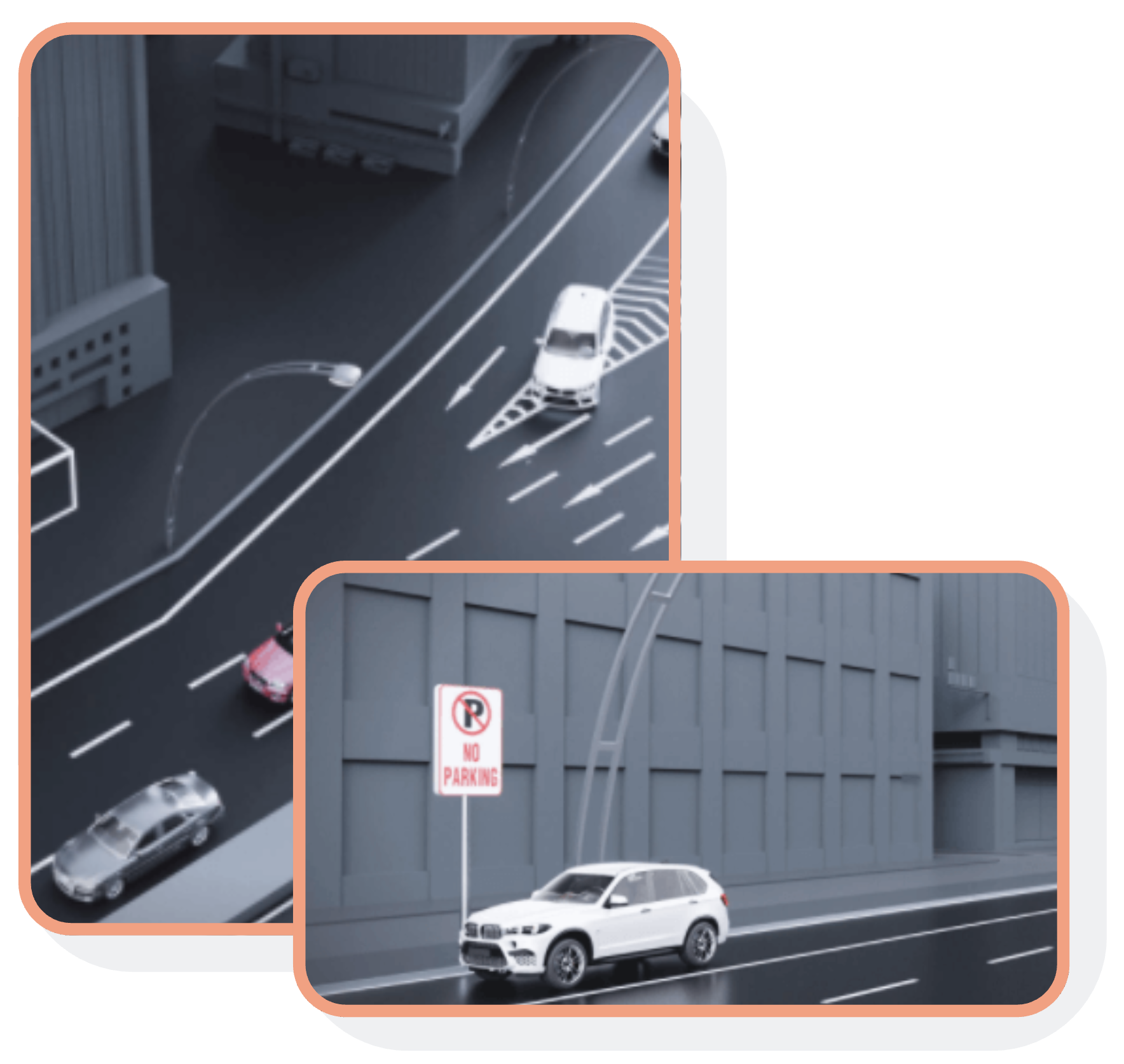
We are focused on leveraging Machine Learning and Deep Learning to build intelligent systems that can automatically detect and analyze traffic violations. This initiative aims to significantly improve road safety, ensure stricter regulation enforcement, and minimize the need for human intervention in traffic monitoring.

Our goal is to develop an ensemble of efficient, scalable, and accurate solutions that enable real-time violation detection using advanced computer vision and AI techniques. These solutions are tailored specifically to handle the challenges of both constrained and unconstrained Indian road conditions.


Map Preview
0
Minutes
Footage Processed
0
Supported
Vehicle Classes
Section 1 Image

Vehicle Violation Monitoring:

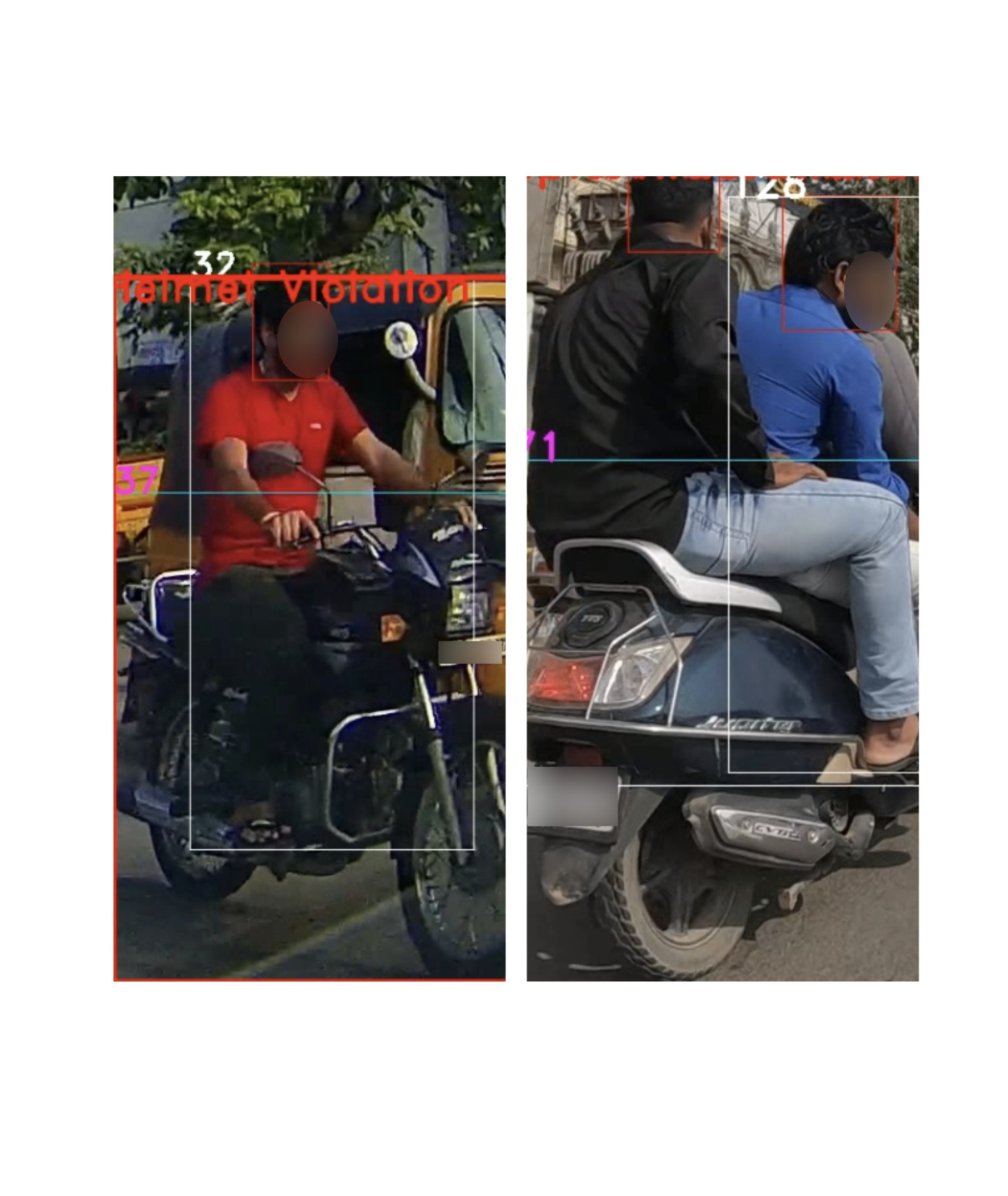
VIOLA uses AI and video cameras to automatically detect traffic rule violations. It can catch people riding without helmets or with more than two people on a two-wheeler. These violations are flagged instantly, with supporting images and video for proof.

Section 2 Image

Vehicle Compliance Check:

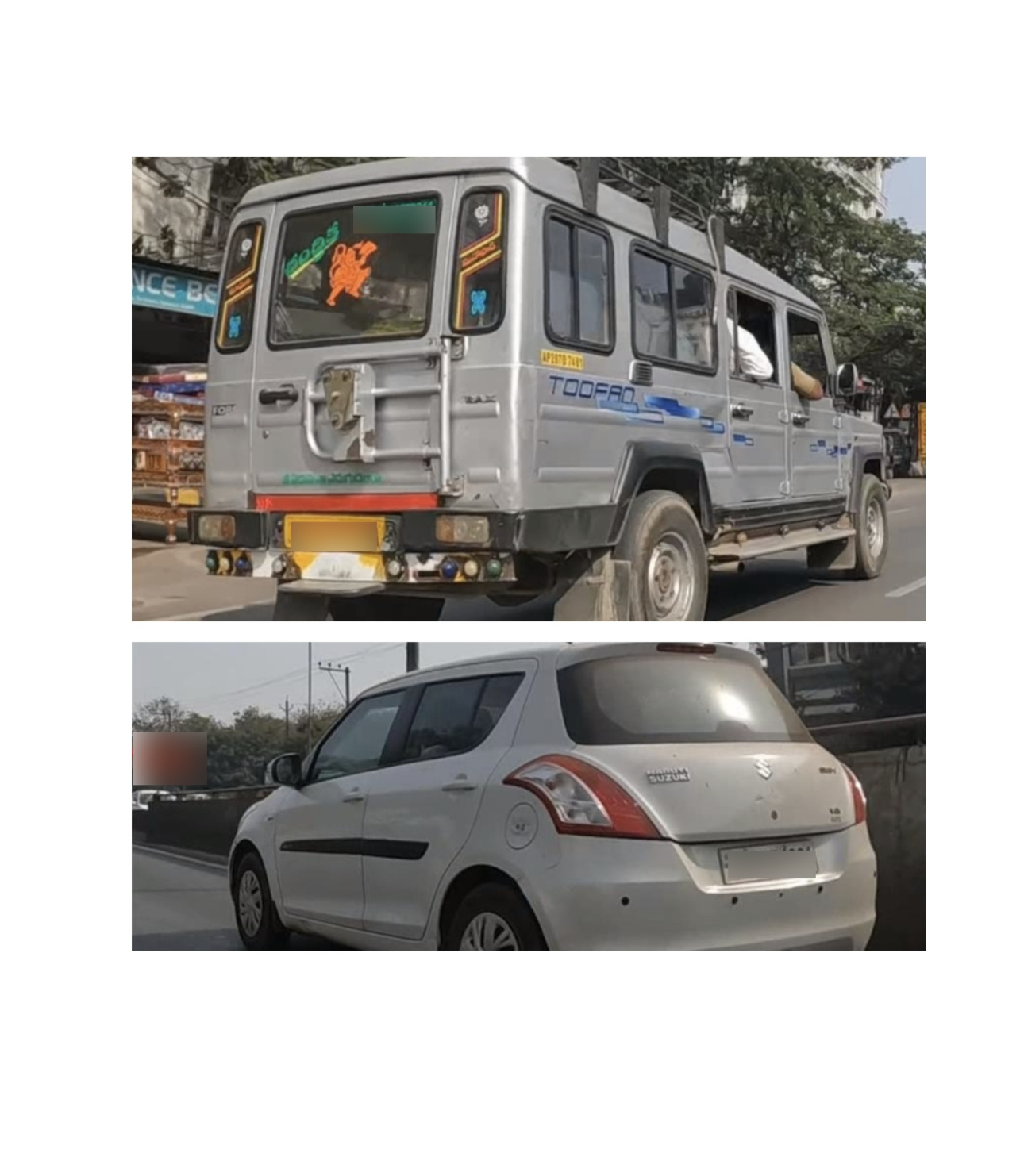
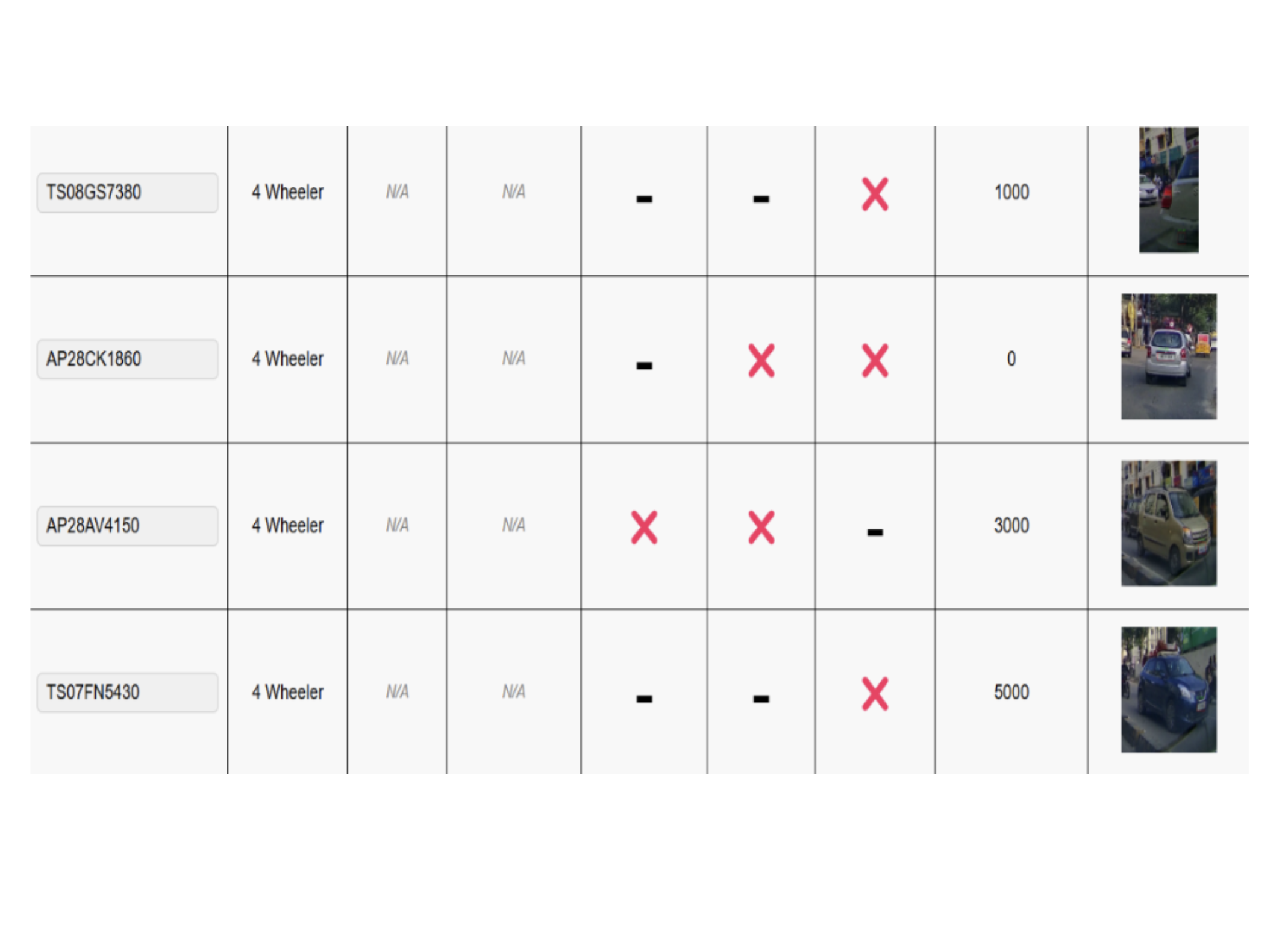
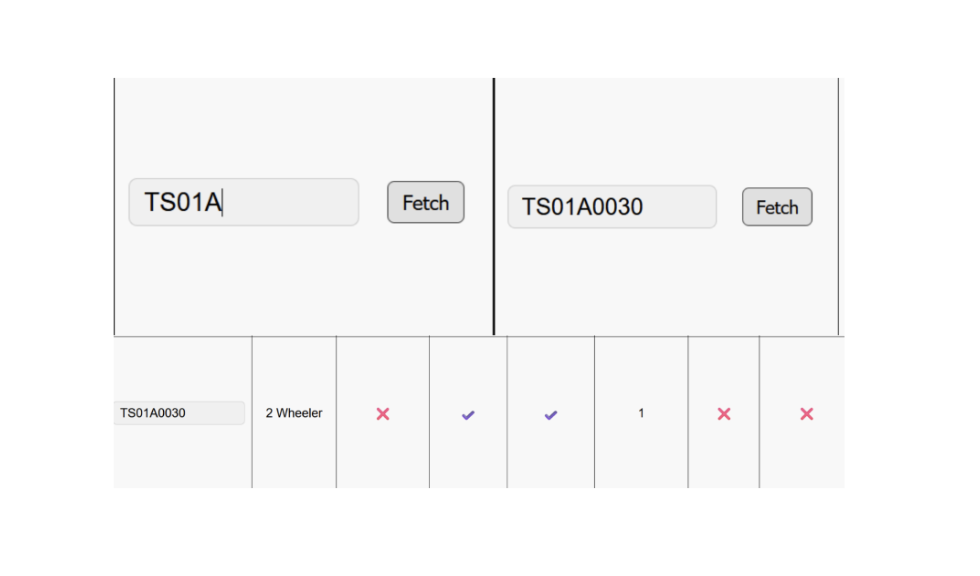
After detecting a vehicle, VIOLA reads the license plate and checks if the vehicle has valid documents like insurance and fitness certificates. It also checks for any unpaid challans. If something is missing or outdated, the vehicle is marked as non-compliant.

Section 1 Image

Real-Time Data Fetching from RTOs:

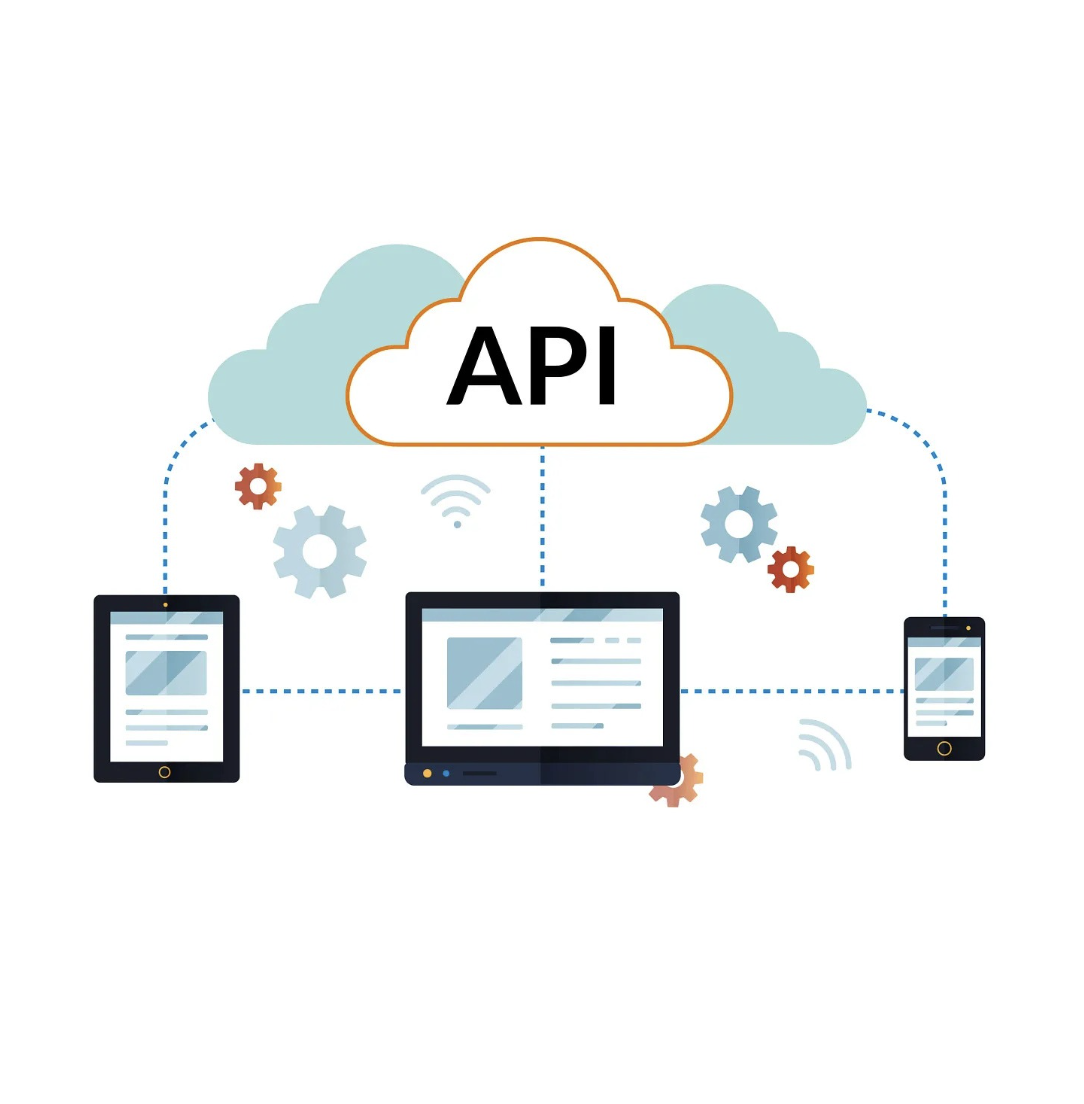
We plan to connect to RTO databases so the system can fetch up-to-date details about any vehicle using just the license plate number. This will ensure that compliance checks are always based on the latest available information.

Section 1 Image

Automated Challan Generation:

When a violation is detected or a document is found to be invalid, VIOLA can automatically prepare and send a challan (fine notice). This reduces manual work, speeds up the process, and ensures timely enforcement of traffic rules.

Section 1 Image

Human-in-the-Loop Verification:

To make sure the system is accurate and fair, all flagged cases can be reviewed by a traffic officer before final action is taken. This step allows human judgment to confirm or correct the AI’s decision, ensuring high reliability.